Tuna Recall At Costco: A Comprehensive Guide To Understanding The Situation

Tuna Recall At Costco: A Comprehensive Guide To Understanding The Situation - Consumers can take several steps to protect themselves from foodborne illnesses. Staying informed about recalls and following proper food handling practices are essential for maintaining health and safety. Here are some tips for consumers: Supply chain transparency is crucial in preventing such incidents. The following factors were identified as potential contributors:
Consumers can take several steps to protect themselves from foodborne illnesses. Staying informed about recalls and following proper food handling practices are essential for maintaining health and safety. Here are some tips for consumers:
Feedback from consumers revealed a mix of reactions:
:max_bytes(150000):strip_icc()/AR-costco-recall-adobe-4x3-2-096a82eecb80443fb2c3e43547cd9a7f.jpg)
Preventing future recalls requires a proactive approach to food safety. Retailers like Costco must invest in advanced technologies and training programs to enhance their quality control capabilities. Collaboration with suppliers and regulatory agencies is also essential in creating a safer food supply chain.
In this article, we'll explore everything you need to know about the tuna recall at Costco, from the initial discovery of the issue to the steps taken to resolve it. Whether you're concerned about your own purchases or simply curious about the broader implications, this guide will equip you with the knowledge to make informed decisions.
The primary cause of the tuna recall at Costco was linked to potential contamination with harmful pathogens. According to reports, the affected tuna products were suspected of containing bacteria such as Listeria monocytogenes or Salmonella. These pathogens pose serious health risks to consumers, particularly those with weakened immune systems.
The timeline of the tuna recall at Costco unfolded as follows:
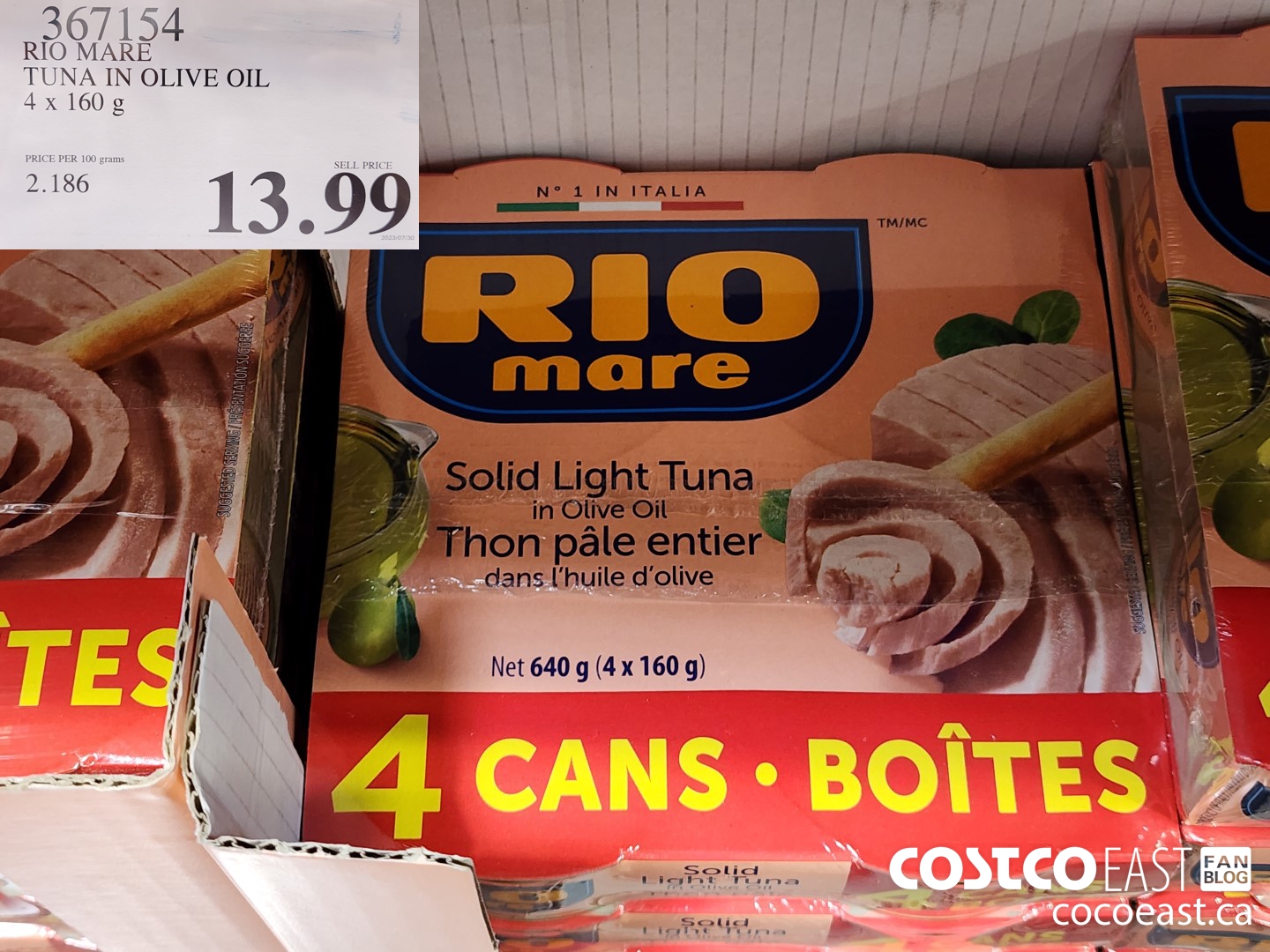
The tuna recall at Costco gained significant attention in the media, raising questions about food safety and quality control. This incident involved specific batches of tuna products sold at Costco locations across the United States. The recall was initiated after reports of potential contamination were brought to light.
The tuna recall at Costco had a significant impact on consumers, both in terms of health concerns and trust in the brand. Many customers were left questioning the safety of other products sold by Costco. While no confirmed cases of illness were reported, the potential risks associated with the contaminated tuna products were enough to cause alarm.
Food safety is a critical aspect of modern retail operations. The tuna recall at Costco highlights the importance of implementing robust safety measures at every stage of the supply chain. From sourcing raw materials to delivering finished products, each step requires careful monitoring and adherence to industry standards.
Technology plays a crucial role in preventing recalls. Innovations such as blockchain and IoT can provide greater transparency and traceability in the supply chain. These tools enable retailers to quickly identify and address potential issues before they escalate into full-blown recalls.
Here are some best practices for ensuring food safety:
Statistics reveal the scale and frequency of food recalls in the United States. According to the FDA, there were over 400 food recalls in 2025 alone, with contamination being the leading cause. The tuna recall at Costco is just one example of how even reputable brands can be affected by such incidents.